 Inspect ↗
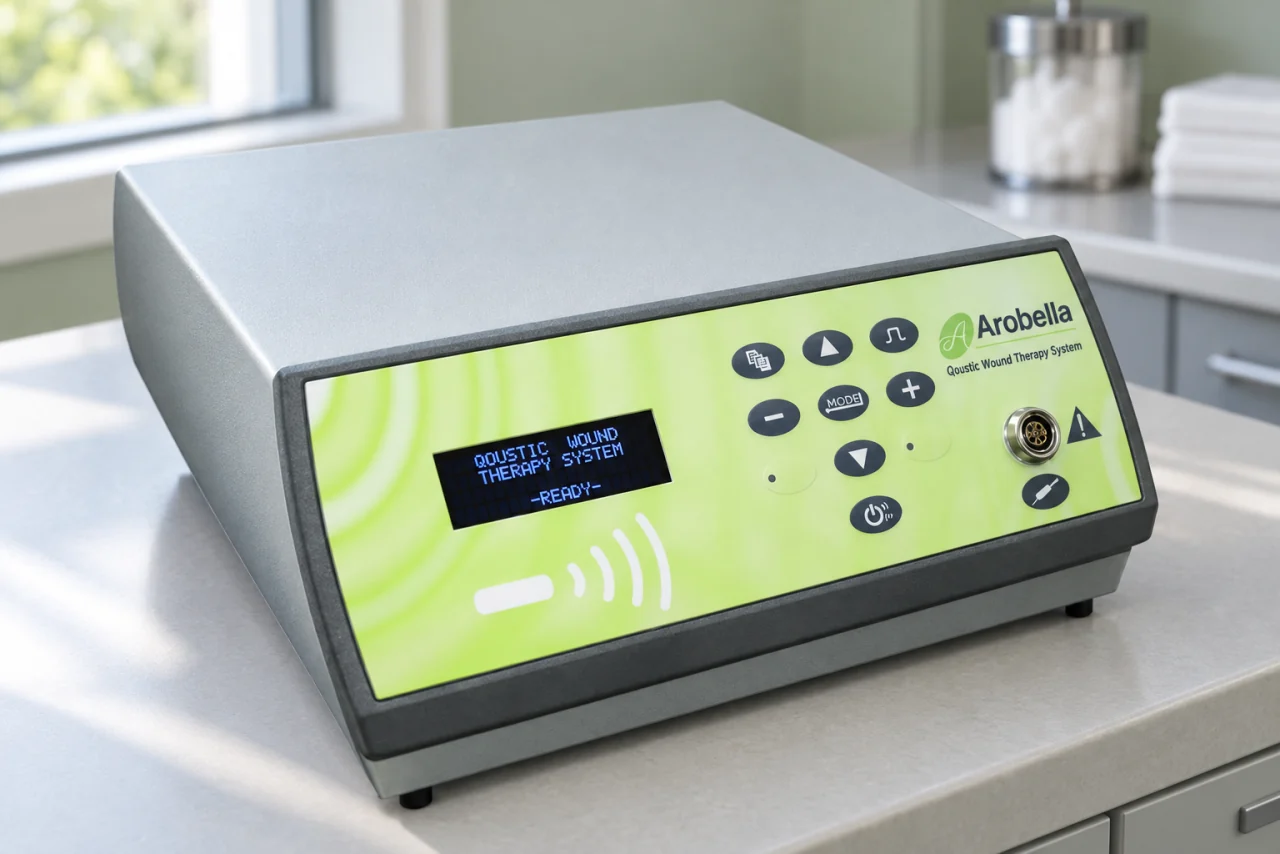
Qoustic
Arobella MedicalAn ultrasonic system with a handpiece and irrigation, used for tissue removal and wound cleansing. Review the selected instrument and technique against the manufacturer’s instructions.
A reference for healthcare professionals
Explore the products by material and format, inspect the manufacturer references, and read the research behind them.
 Inspect the packaging
 01Product reference
Browse the materials, packaging and equipment. Open an image for a closer view and its published source image.
 Inspect Inspect
  Inspect
  Inspect
  Inspect
  Inspect
  Manufacturer reference ↗
 Manufacturer reference ↗
 Manufacturer reference ↗
 Inspect
  Inspect
  Inspect
  Inspect
  Inspect
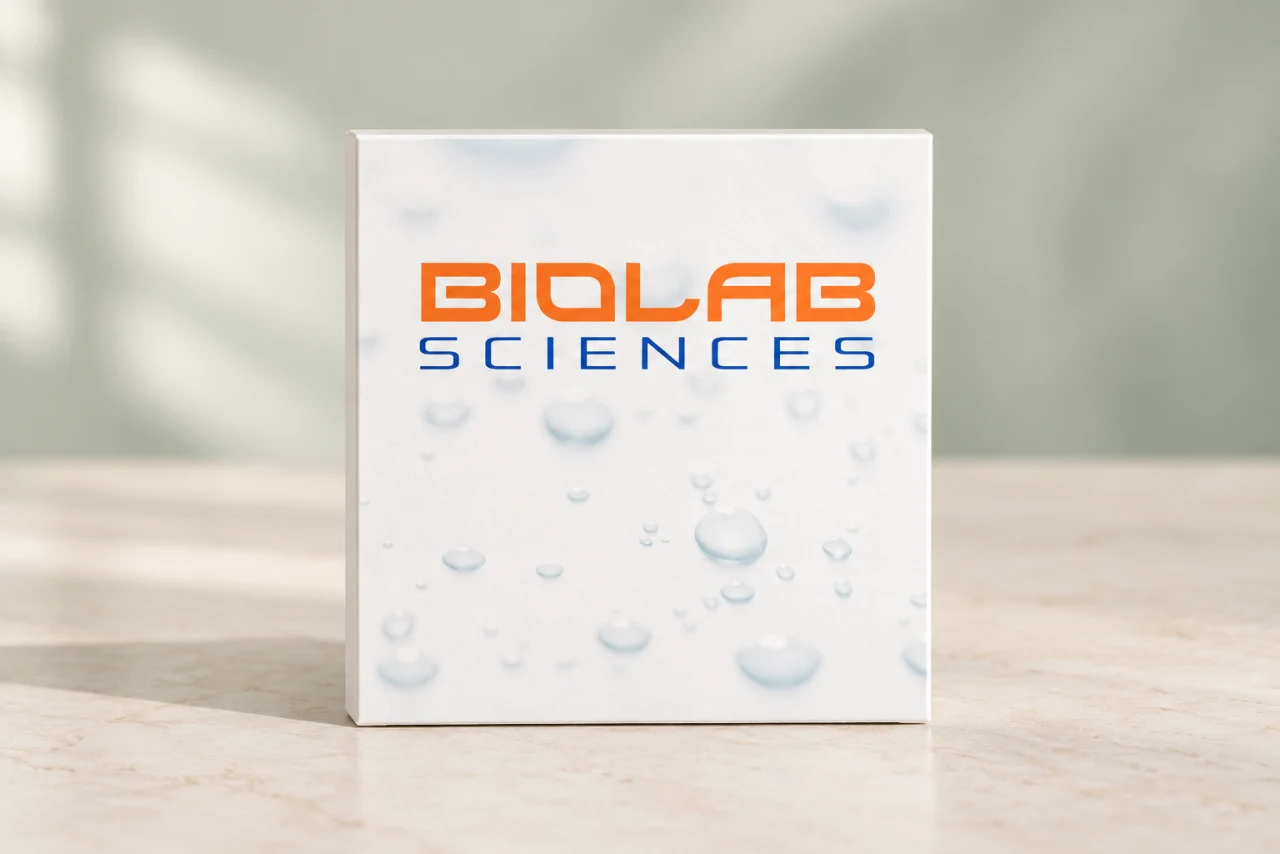
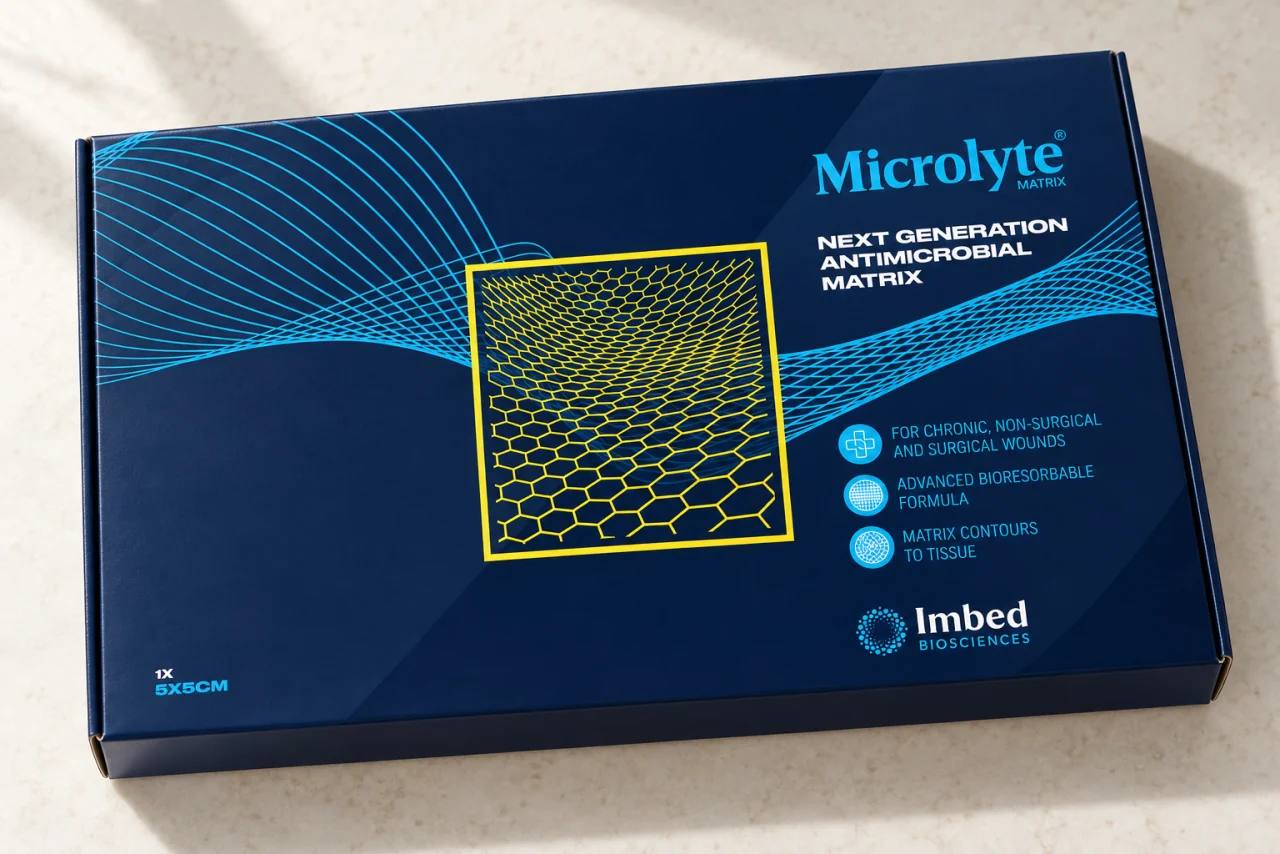
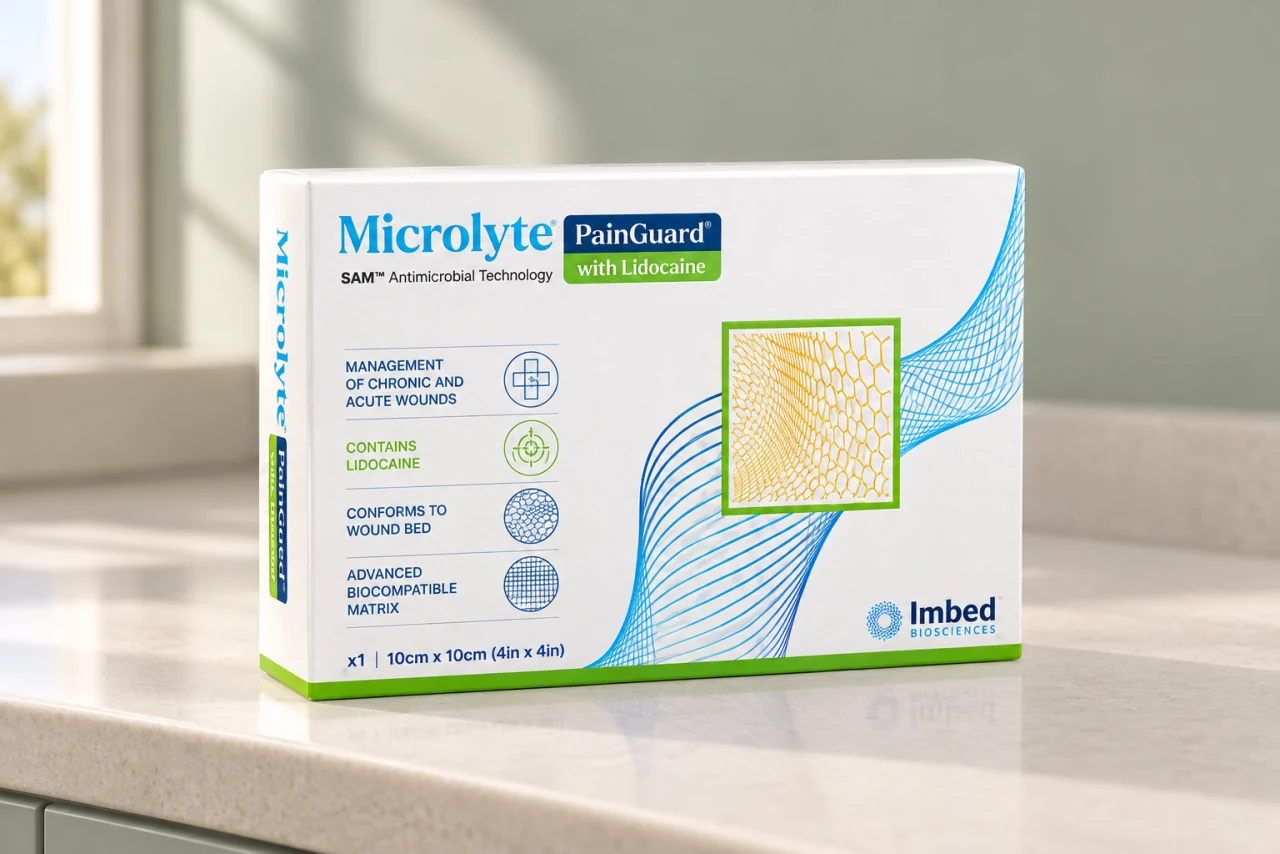
 Imbed Biosciences · BioLab
Ultrathin matrix
Synthetic polymers · silver · lidocaine
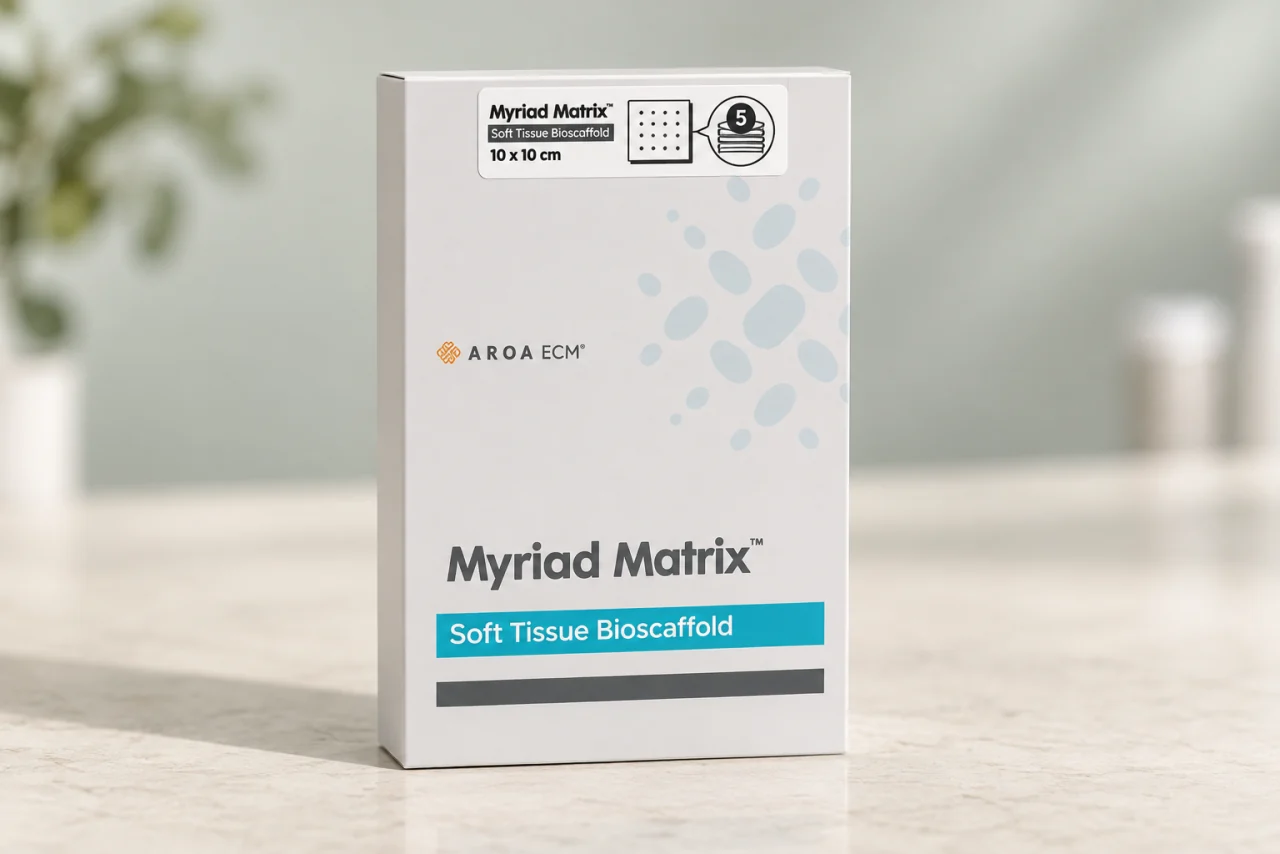 Inspect
 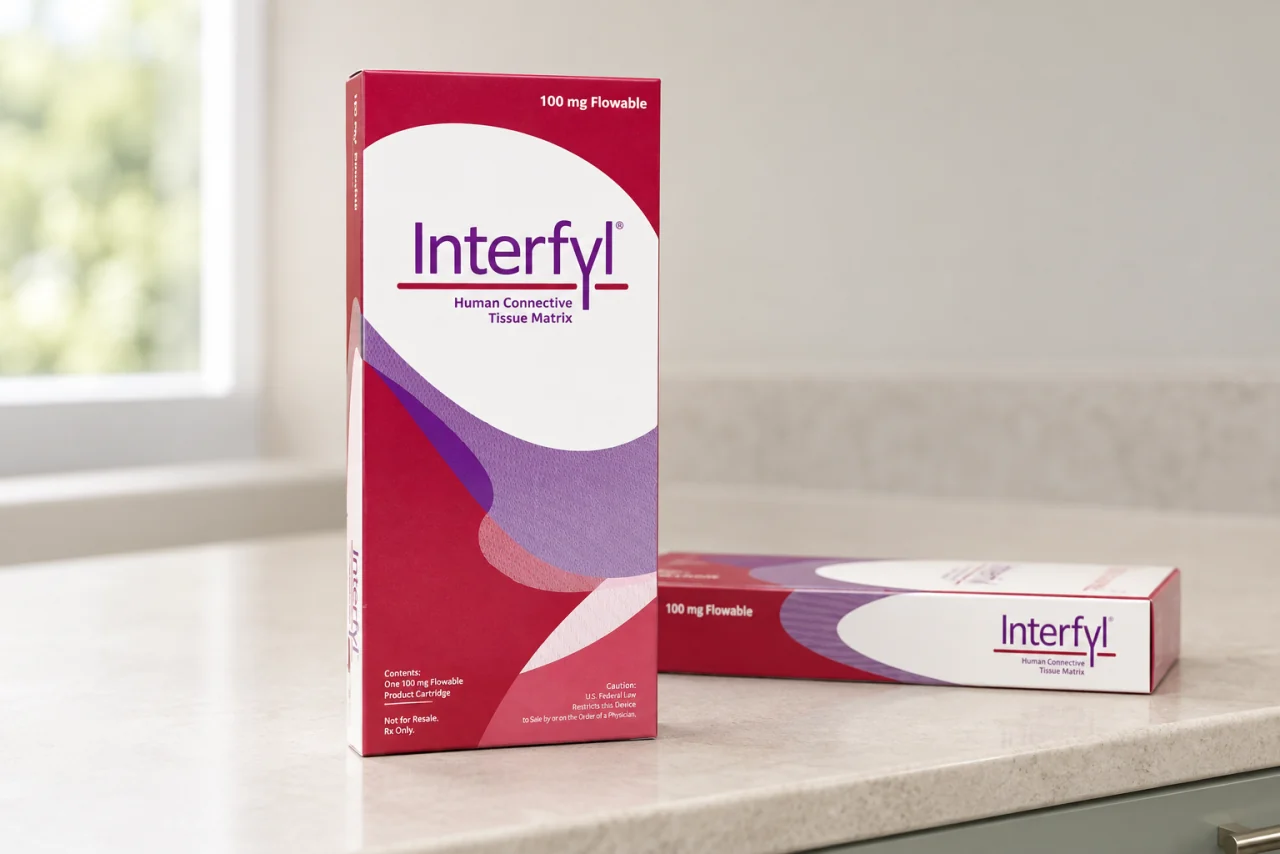 Inspect
 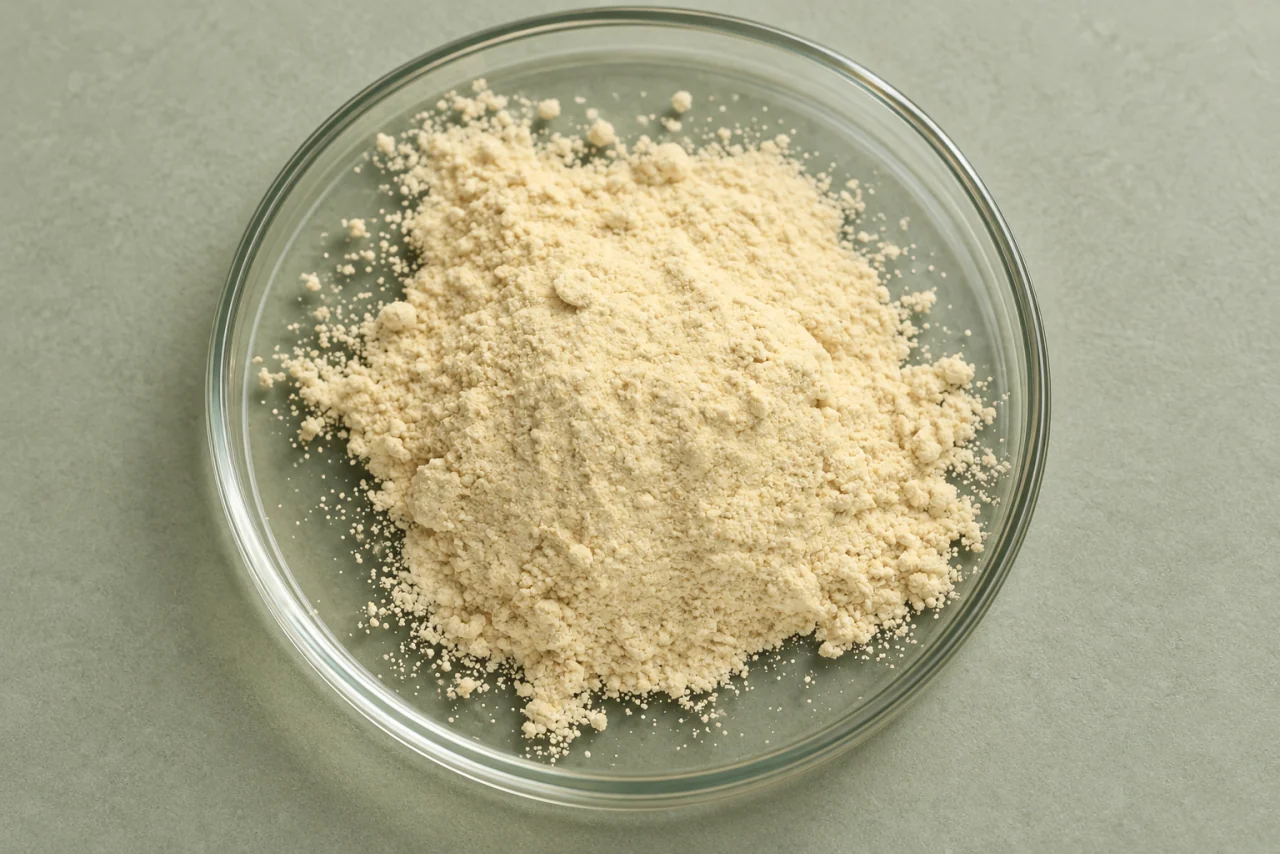 Inspect Inspect
 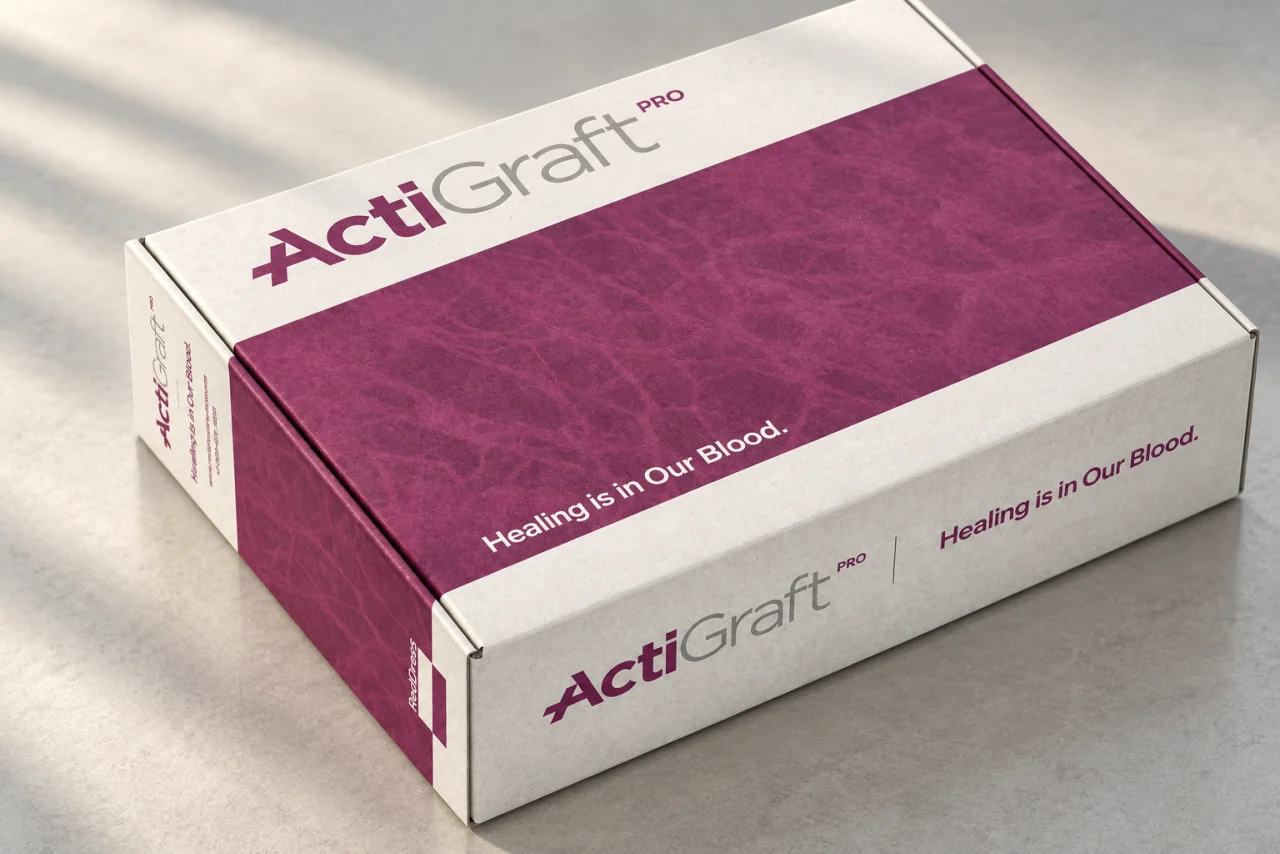 Inspect
 No matching products. Try a shorter name or clear your search.
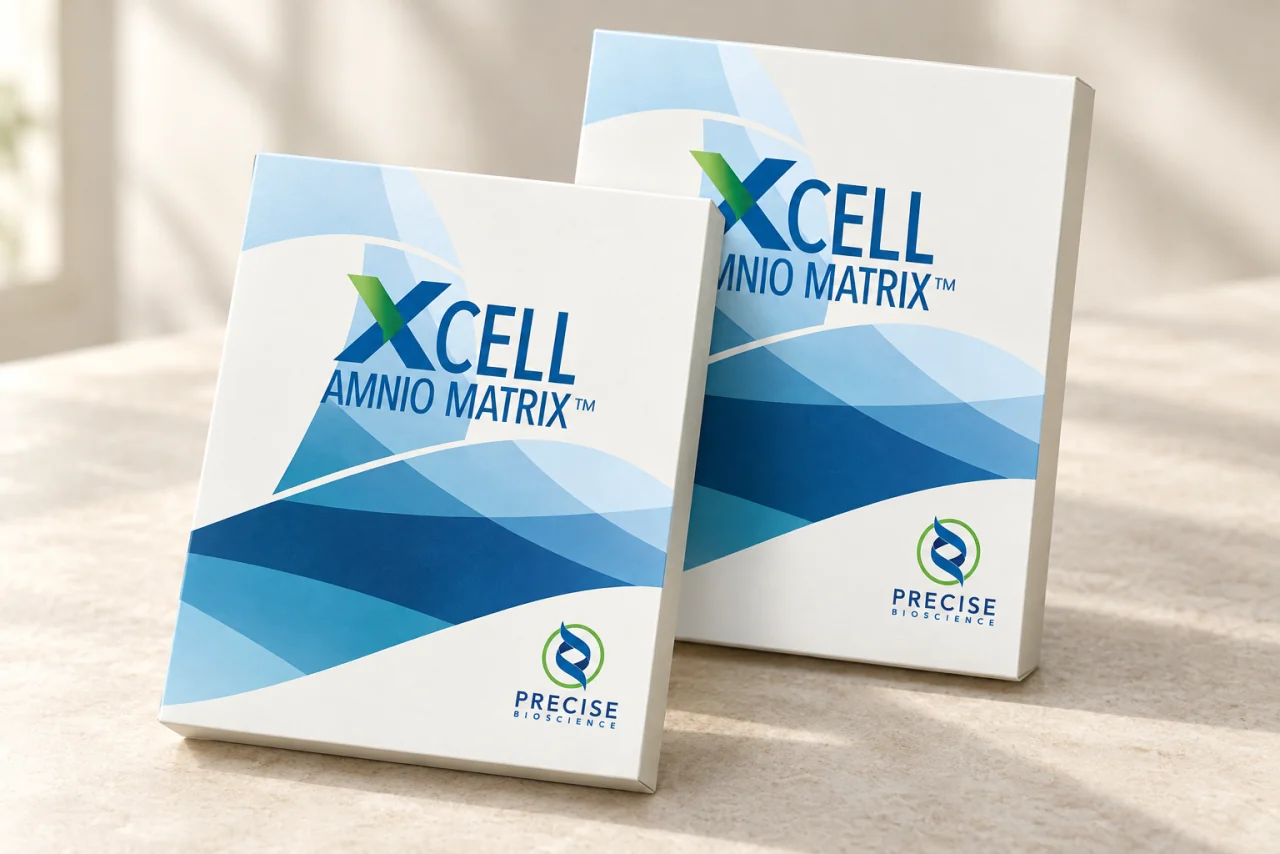
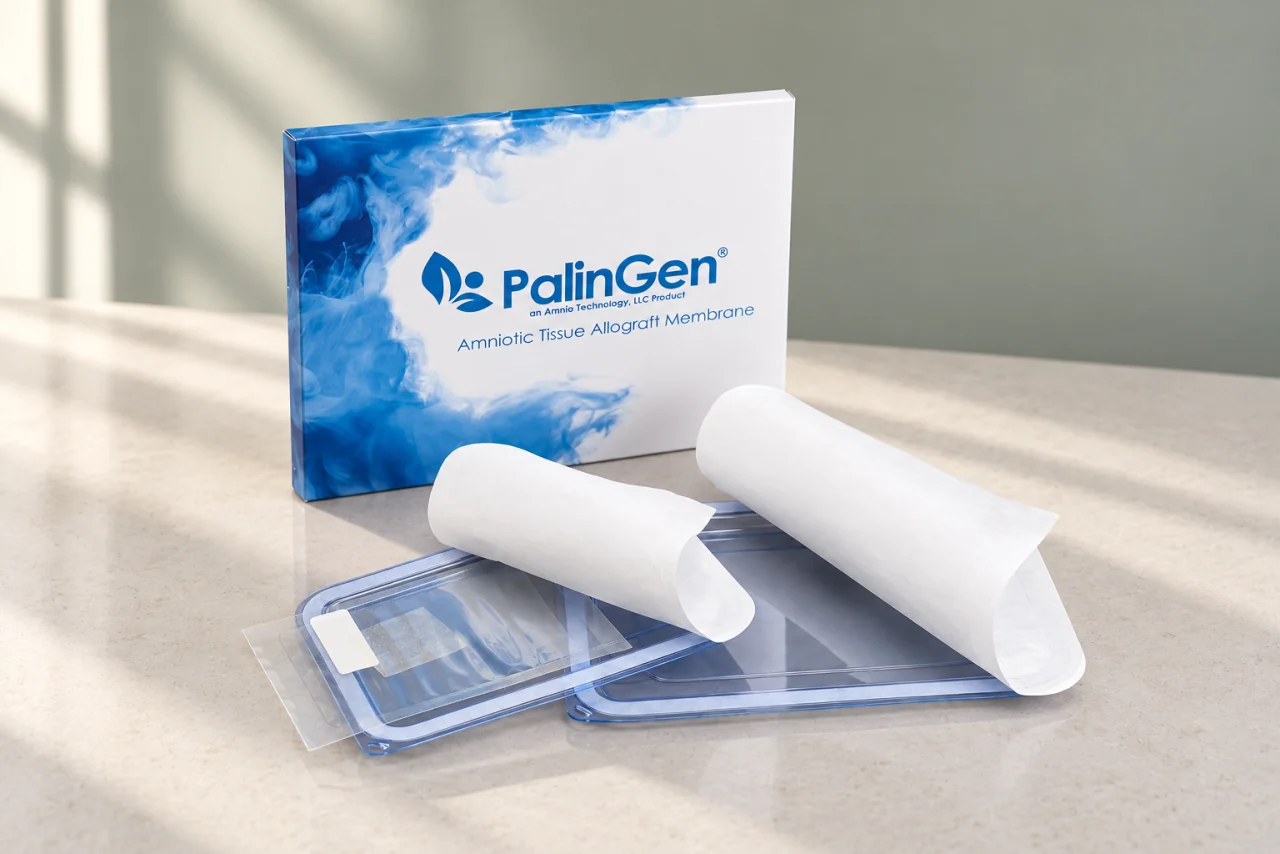
Product photographs are illustrative and based on published product references. Where an exact product photograph is unavailable, the manufacturer reference is shown. Always consult the current package and instructions for use.
02Materials & membranes
A membrane, a particulate matrix and an autologous clot differ in source, structure and preparation. Those differences are the starting point for a product review.
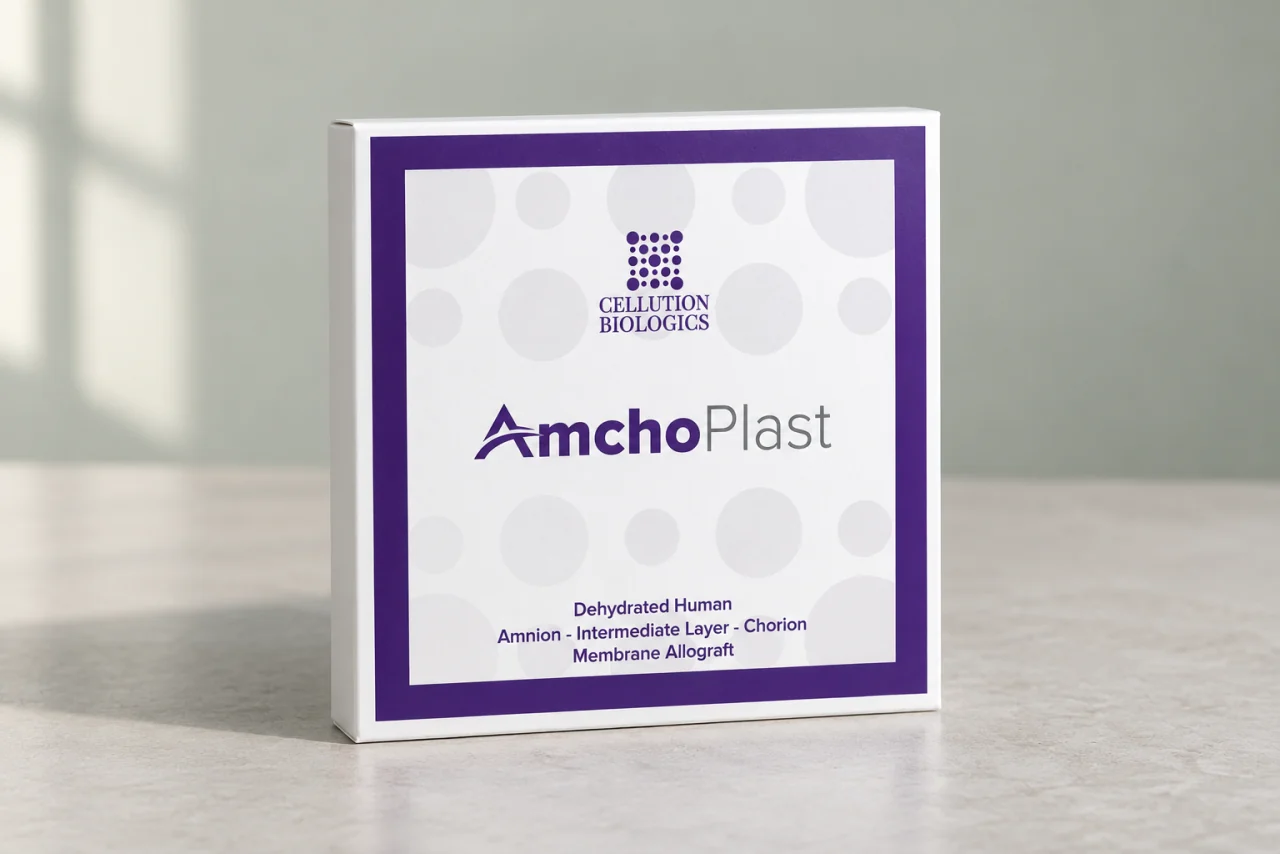
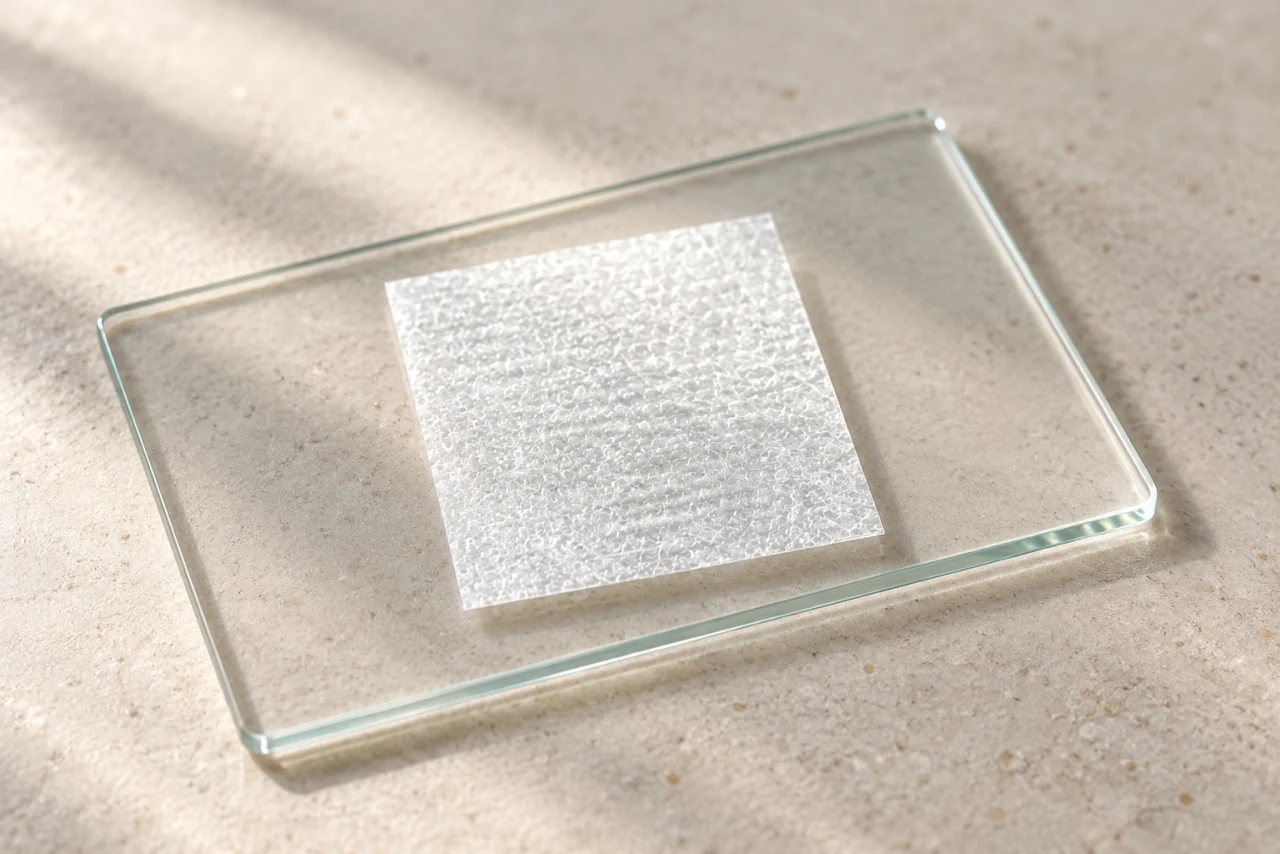
For a placental membrane, identify the tissues retained, the processing method and the supplied format. Then look for clinical research on that exact product.
Material reference: Cellution Biologics · AmchoPlast
03Dressings & matrices
Product descriptions often begin with a material or a proposed mechanism: collagen, silver, a polymer scaffold. A useful review also considers the indicated use, application requirements and the evidence in patients.
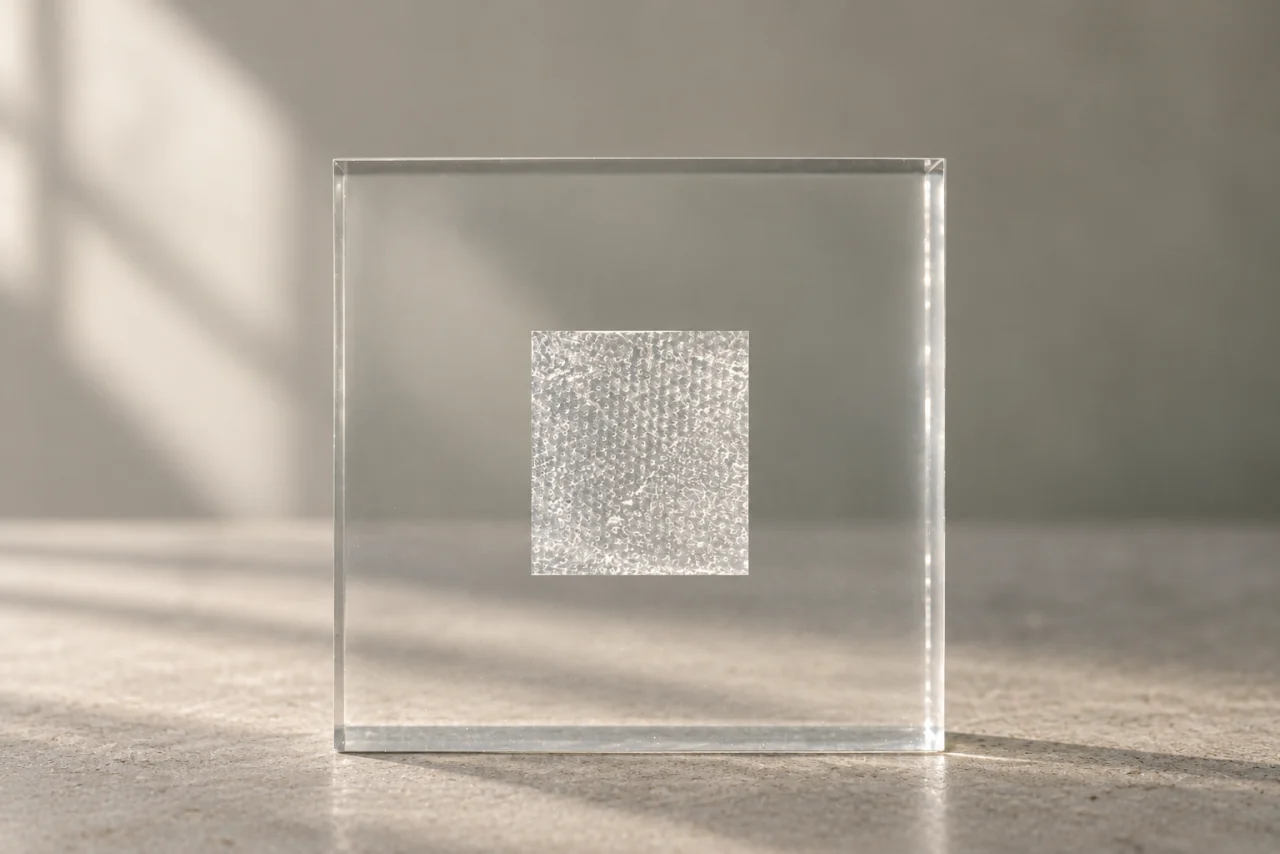
A synthetic, bioresorbable polymer matrix containing silver. The manufacturer describes its antimicrobial performance and material characteristics; the human pilot study answers a different question about wound progress over time.
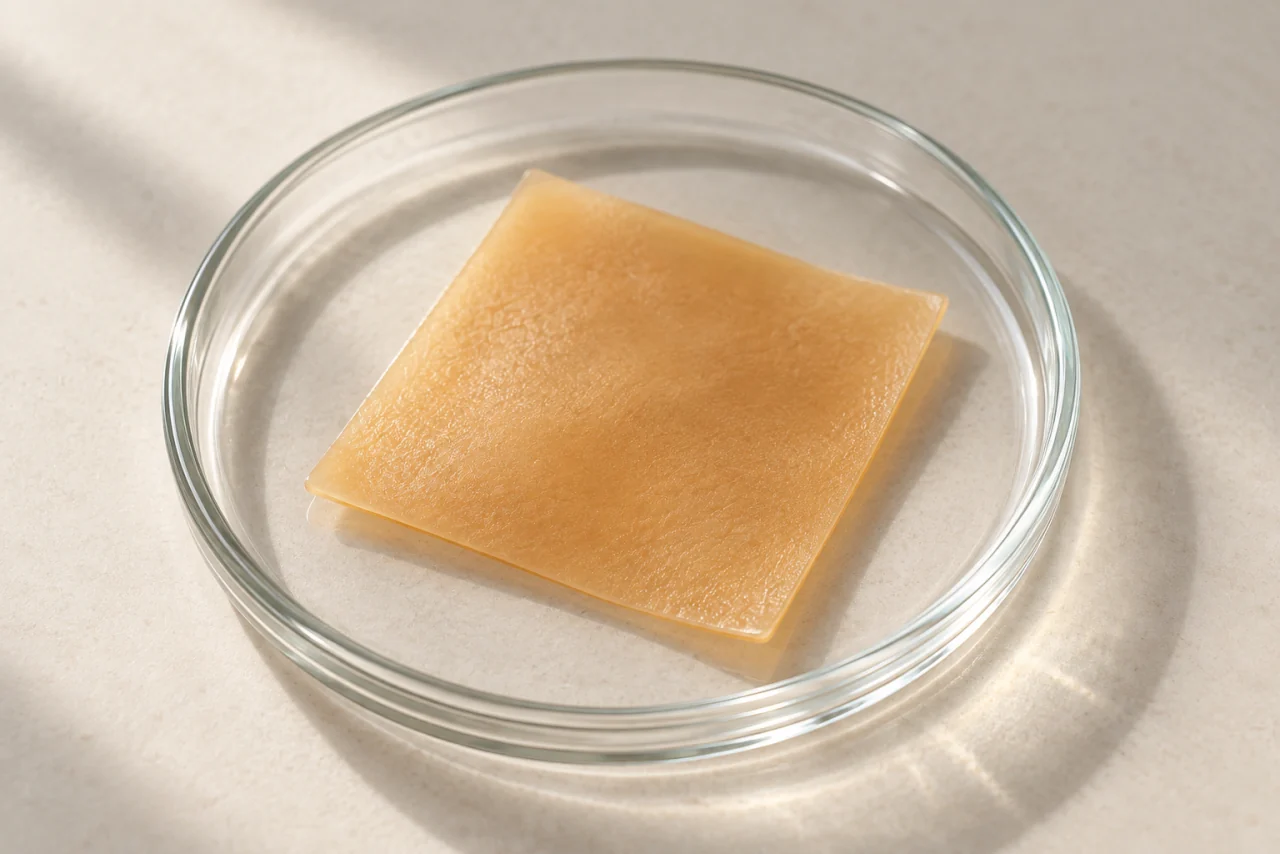
Read the study noteAPIS combines a gelatin-based material with Mānuka honey and hydroxyapatite. Its published retrospective evaluation is discussed below, including the distinction between time to closure and the proportion of wounds that closed.
APIS product information04Devices & adjuncts
The device portfolio includes contact ultrasound, non-contact ultrasound and negative pressure. Each has its own instructions, treatment workflow and body of evidence.
Inspect ↗An ultrasonic system with a handpiece and irrigation, used for tissue removal and wound cleansing. Review the selected instrument and technique against the manufacturer’s instructions.
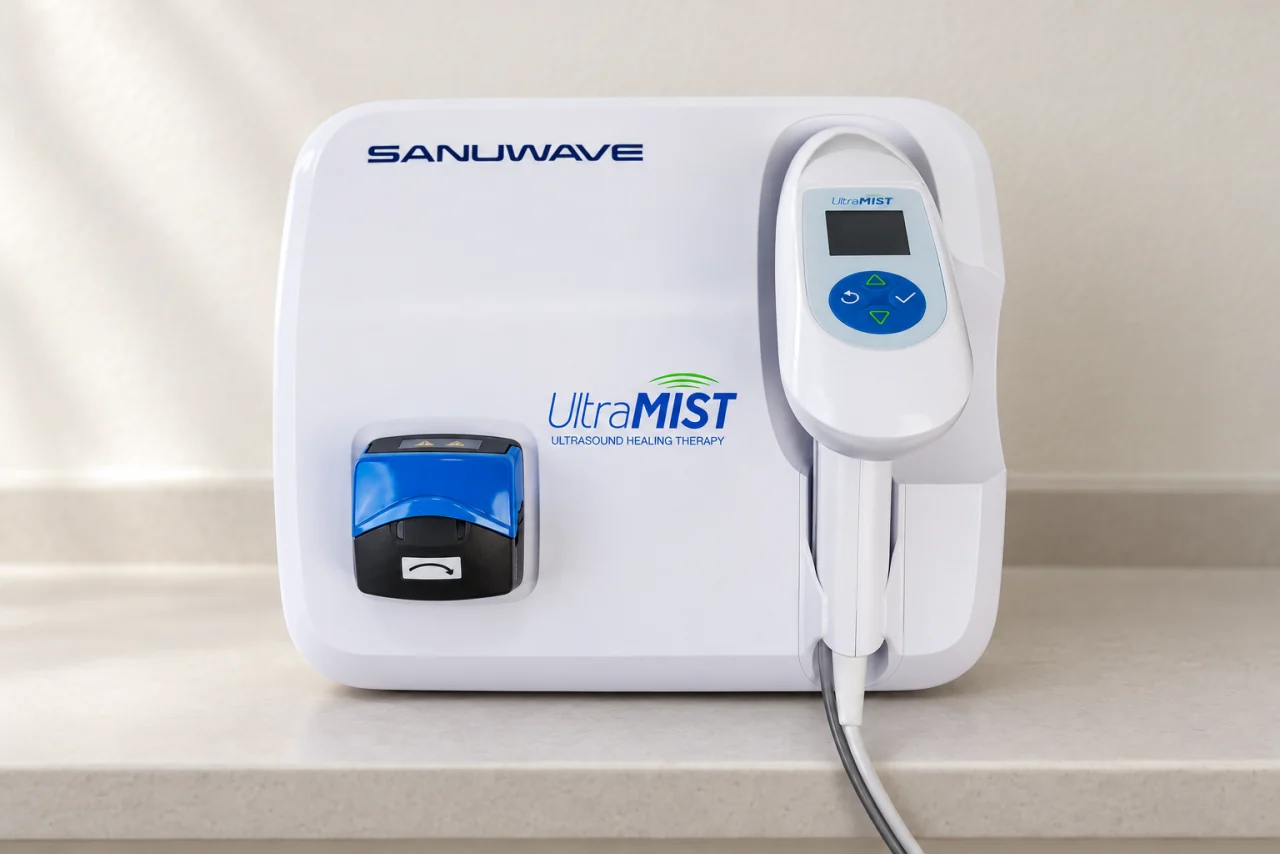
Inspect ↗A system that delivers low-frequency ultrasound through a non-contact fluid mist. When reading a study, check the wound type, treatment frequency and care provided to both study groups.
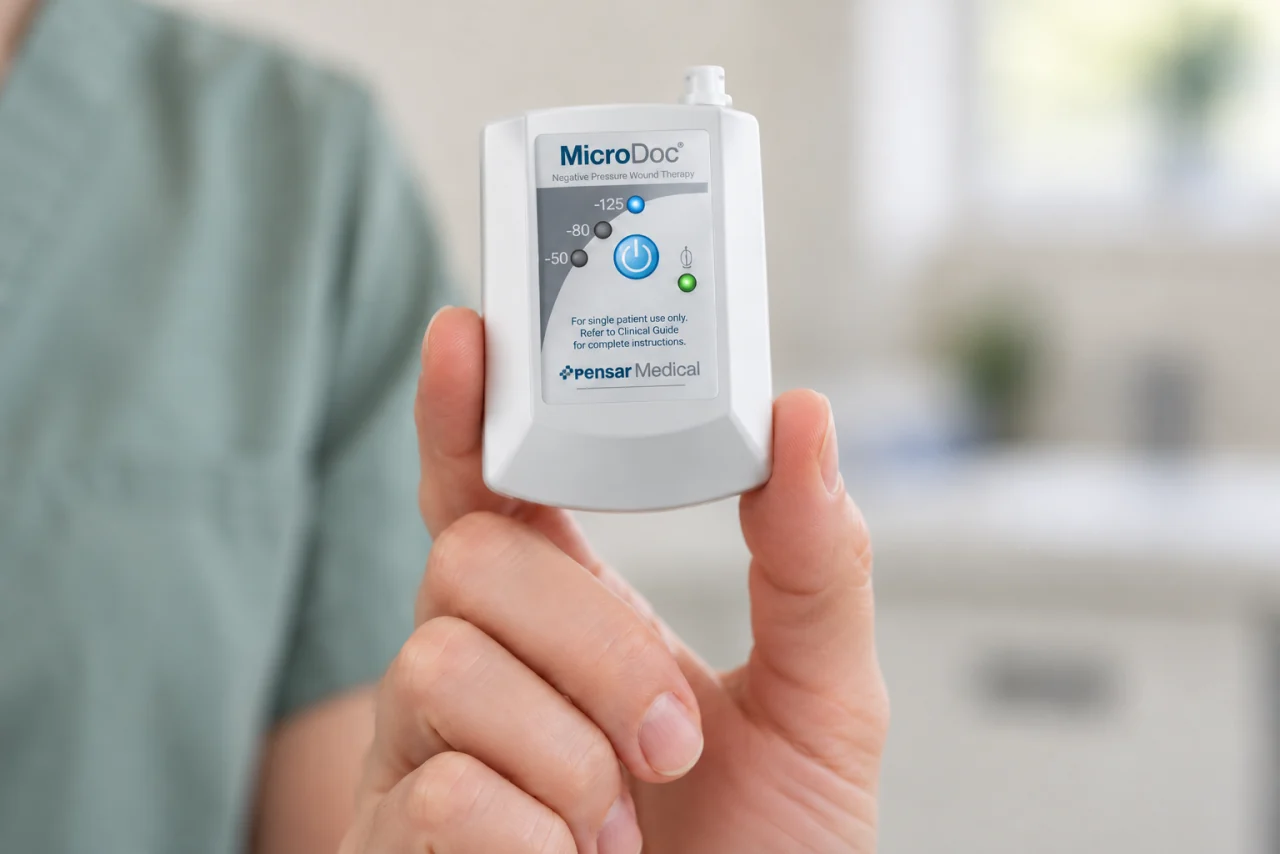
Inspect ↗A portable, single-use negative pressure wound therapy system. Review the device-specific indications, dressing requirements and operating instructions, and identify which studies evaluate this system.
05Notes on the evidence
These two papers illustrate why the study design, denominator and endpoint belong next to a reported result. They are selected reading from the broader evidence library.
Manning and colleagues evaluated 32 wounds after losses to follow-up. At 12 weeks, 29 had either healed completely or improved significantly. Established care, including debridement or compression when prescribed, continued during the study.
Interpretation: This was an open-label study without a concurrent control group. The combined outcome cannot be read as a complete-closure rate.
Separate complete closure from improvement, note the mixed wound types, and review the care continued alongside the matrix.
Manning SW et al. Wounds. 2020;32(11):309–318.
Read the paper on PubMedRodríguez and colleagues compared 47 chronic wounds: 27 treated with the bioengineered sheet and 20 with standard care. Among wounds that closed, mean time to closure was 7.4 and 14.8 weeks, respectively.
Interpretation: Most wounds in both groups did not close. The retrospective design and the analysis of wounds that closed limit how broadly the time-to-closure finding can be applied.
Review the treatments included in standard care, visit adherence and the reasons some wounds remained open.
Rodríguez I et al. Wounds. 2023;35(1):E35–E38.
Read the paper on PubMed